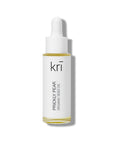
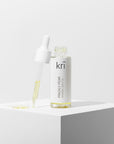
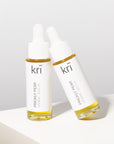
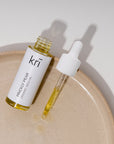
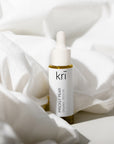
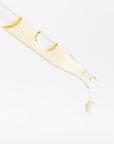
Prickly pear seed oil has earned a devoted following for good reason. Pressed from the tiny seeds of the Opuntia ficus-indica cactus, it combines a remarkably light, silky texture with a naturally rich profile of linoleic acid, tocopherols and phytosterols. For skin, that translates into something much more useful than a fashionable ingredient story: a facial oil that conditions beautifully, helps skin feel soft and supple, and leaves the complexion looking smooth, healthy and naturally luminous.
At Krī, Prickly Pear Seed Oil is one of our hero products. We use it exactly as it comes: 100% pure, organic, unrefined and cold-pressed, without diluting it with cheaper carrier oils or adding unnecessary ingredients.
What is prickly pear seed oil?
Prickly pear seed oil is extracted from the seeds inside the fruit of the prickly pear cactus. Those seeds contain relatively little oil, so producing genuine seed oil requires a substantial amount of raw material. This low yield is one of the reasons high-quality, unrefined prickly pear seed oil is considerably more precious than many familiar plant oils.
Like all botanical oils, its exact composition varies with growing conditions, variety and extraction, but it is characteristically rich in unsaturated fatty acids, particularly linoleic acid. It also contains naturally occurring tocopherols, including forms of vitamin E, phytosterols and other plant compounds that contribute to its antioxidant profile.

What does prickly pear seed oil do for skin?
The first thing most people notice is how it feels. Prickly pear seed oil has the conditioning qualities you want from a facial oil without the dense, greasy finish that can make richer oils difficult to wear. A few drops soften the skin, improve suppleness and help rough or dry-feeling areas feel more comfortable. That smoother, better-conditioned surface also reflects light more evenly, which is one reason the oil is so good at giving skin a fresh, natural-looking glow.
Its high proportion of linoleic acid is particularly interesting. Linoleic acid is an essential omega-6 fatty acid and a natural component of skin lipids. In a facial oil it contributes to the emollient effect that helps soften and condition the skin, while the naturally occurring tocopherols and other plant compounds add antioxidant properties.
Prickly pear seed oil for glowing skin
Glow is not about making skin shiny. Healthy-looking radiance comes partly from skin being well hydrated, smooth and comfortably conditioned. When the surface is dry or rough it can look dull; when it is supple and smooth, light is reflected more evenly and the complexion appears fresher. Prickly Pear Seed Oil is particularly good at creating that soft, polished finish because it nourishes without sitting heavily on the skin.
This makes it an easy finishing step when your complexion looks tired, dry or lacklustre. Used consistently, it helps maintain the soft, supple appearance that we associate with healthy, luminous skin.
Is prickly pear seed oil good for mature skin?
Prickly Pear Seed Oil is an excellent choice for mature skin, particularly when it has become drier or less supple with age. Its emollient fatty acids help soften and condition, while its naturally occurring antioxidant compounds complement a routine designed to protect the appearance of healthy skin.
For a more complete routine, use it alongside targeted treatments rather than asking one product to do everything. Illume Niacinamide Serum adds lightweight hydration and supports smoother, more even-looking skin, while Vitamin C + Bakuchiol Serum provides concentrated antioxidant care. Prickly Pear Seed Oil then adds the final layer of nourishment and glow.
Can oily or combination skin use prickly pear seed oil?
Yes. Having oily skin does not mean you need to avoid facial oils altogether. Prickly pear seed oil is naturally lightweight and rich in linoleic acid, making it a particularly appealing option for people who find heavier oils uncomfortable. If you are prone to congestion, begin with one or two drops rather than assuming that more is better, and adjust according to how your skin feels.
Oily skin can also be dehydrated, so an oil should not necessarily replace a hydrating serum. In that situation, apply Illume Niacinamide Serum first and use a small amount of Prickly Pear Seed Oil afterwards when you want additional conditioning.
Is prickly pear seed oil suitable for sensitive skin?
One of the attractions of a single-ingredient facial oil is simplicity. Our Prickly Pear Seed Oil contains only cold-pressed Opuntia ficus-indica seed oil, with no fragrance or additional actives. That makes it a straightforward choice for people who prefer uncomplicated formulas. As with any skincare product, individual skin can respond differently, so introduce it in the same sensible way you would any new product.
How to use prickly pear seed oil
You only need a few drops. Warm one to three drops between your fingertips and press or gently massage them into the face and neck. We particularly like it as the final step after serum and moisturiser in the evening, where it adds softness and nourishment without turning the routine into something complicated. If your skin is very dry, you can also mix a drop into Endless Moisturiser before applying.
It is equally useful beyond the face. Massage any excess into dry cuticles and nail beds rather than washing it from your hands.

Why is prickly pear seed oil expensive?
The answer is largely in the seed. The oil is not pressed from the fleshy fruit but from the many tiny seeds inside it, and those seeds have a low oil yield. Producing a relatively small quantity therefore requires a great deal of raw material and careful processing. When the oil is also organic, cold-pressed and left unrefined, as ours is, the aim is to preserve the character of the botanical rather than maximise yield through aggressive processing.
That is why genuine prickly pear seed oil sits at the premium end of botanical skincare. Its value is not created by a luxury marketing story; it begins with the scarcity of the oil itself.
Why we chose Prickly Pear Seed Oil
We chose Prickly Pear Seed Oil because it delivers the qualities we want from a facial oil exceptionally well. It is nourishing but light, simple but versatile, and leaves skin feeling soft, smooth and beautifully conditioned. Its natural linoleic acid, tocopherols and phytosterols make its composition interesting, but the real reason it has become one of our best-selling products is much easier to understand: it feels beautiful on the skin and helps the complexion look healthy and luminous.
Our Prickly Pear Seed Oil contains one ingredient and nothing else. A few drops are enough, which is exactly how we think good skincare should work.